May 23, 2026
Local barber school offers a comprehensive learning experience that goes beyond basic hair cutting skills, preparing students for real-world client interactions. This article explores several ways in which barber schools equip aspiring barbers with the necessary skills and knowledge to excel in their careers. Whether it's mastering technical skills or understanding the nuances of customer service, barber schools provide a well-rounded education. The beauty industry, including barbering, continues to thrive, fueled by innovative techniques and an unwavering demand for personalized grooming services. To succeed in this dynamic field, aspiring barbers must undergo rigorous training and develop a diverse skill set.
1. Technical Skills Development
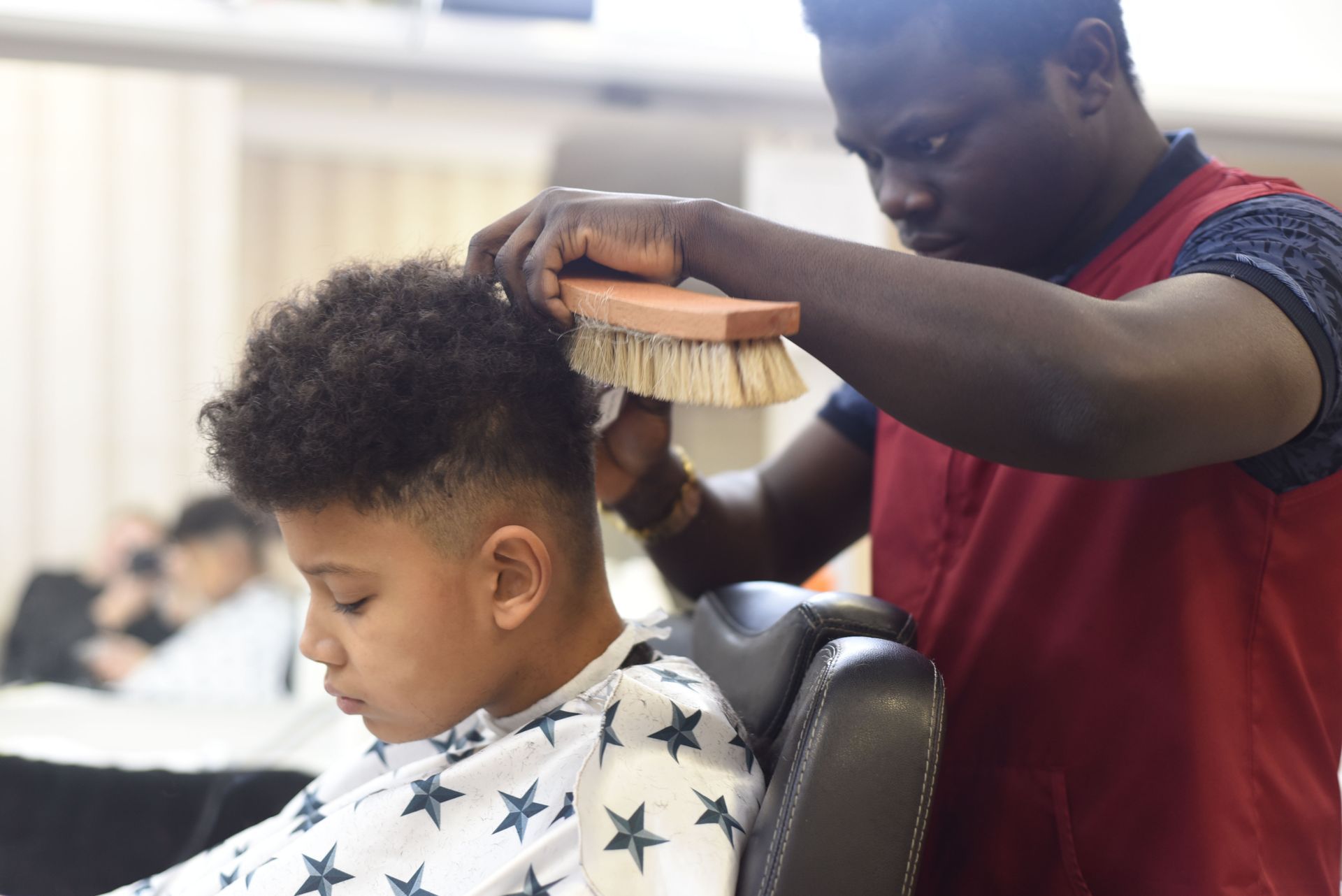
At the heart of any local barber school program lies technical skills development, which forms the bedrock of a successful barbering career. Comprehensive haircutting techniques are taught with precision, allowing students to master classic and contemporary styles. Learners engage in hands-on training, working on mannequins and live models to hone their skills. These techniques are crucial as customers expect stylish and well-executed haircuts. As a result, aspiring barbers leave school equipped with the confidence and ability to cater to diverse client preferences.
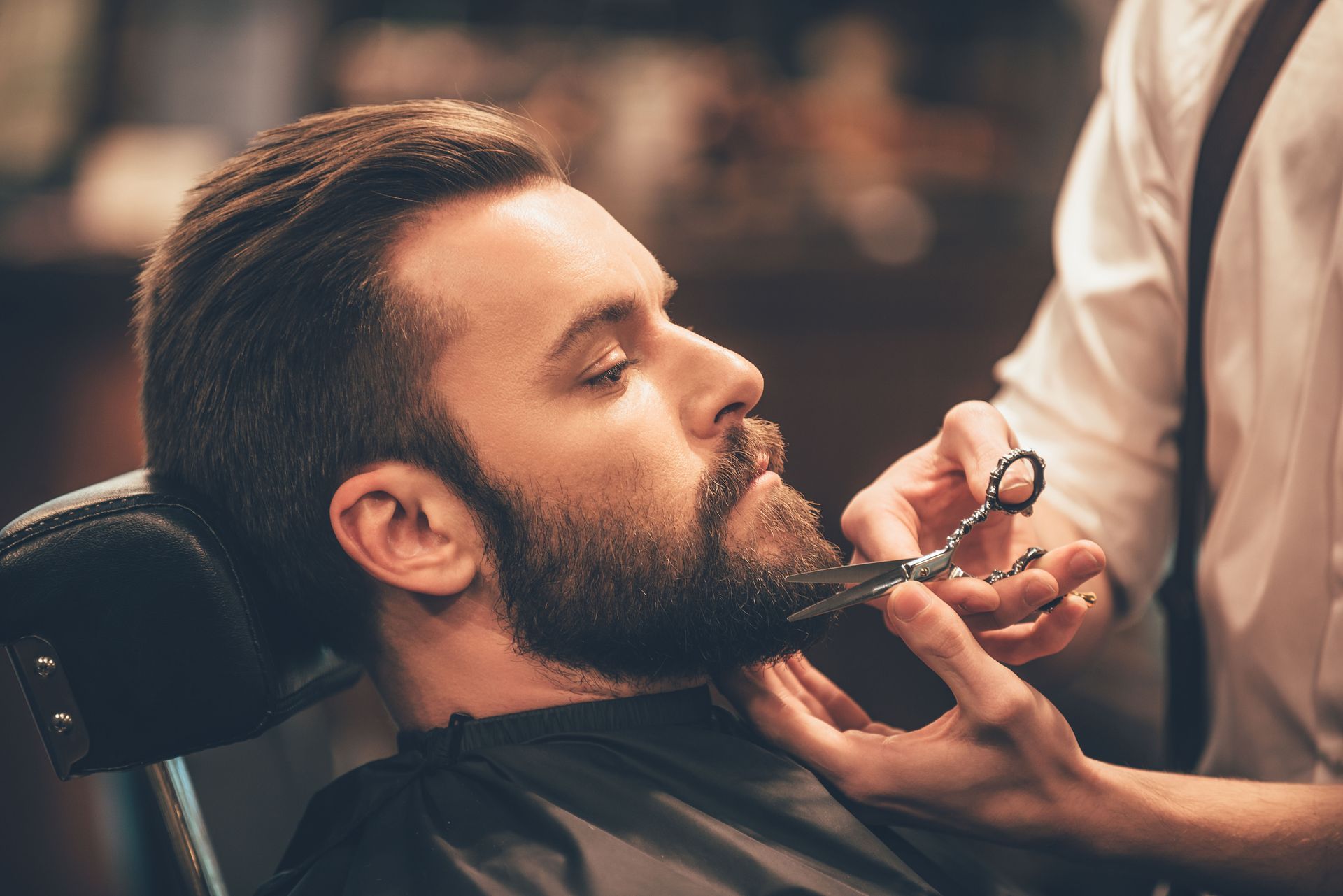
Precision shaving and beard trimming are other essential components of technical training. In local barber school, students learn to wield straight razors with skill and care, ensuring a close and comfortable shave. Detailed instruction on beard trimming and shaping ensures that future barbers can deliver well-groomed results tailored to individual facial structures. Mastery in these areas not only enhances a barber's reputation but also contributes to client satisfaction. This level of precision requires practice and dedication, prerequisites that barber schools diligently provide.
Understanding the use of tools and equipment is pivotal for any barber. Students familiarize themselves with various tools, including clippers, shears, and trimmers, understanding the nuances of each. They learn maintenance and proper sanitation protocols, ensuring tools are always in optimal condition. Additionally, barber schools cover coloring and chemical treatments, equipping students to provide comprehensive services. Innovative styling methods further broaden their repertoire, enabling them to create unique and trendy looks.
2. Client Interaction and Communication
Effective client interaction and communication skills are critical components of barber education. Understanding client needs is the first step in ensuring satisfactory service. Barber schools emphasize active listening, teaching students to consult thoroughly with clients before beginning any service. This understanding builds trust and sets the foundation for a loyal client base. By meeting clients' expectations, barbers foster relationships that drive repeat business and word-of-mouth referrals.
Effective consultation strategies are essential for tailored services. Barber schools simulate real-world scenarios, allowing students to practice their consultation skills. They learn to ask open-ended questions that uncover clients' preferences and needs. These skills are indispensable, particularly when handling more complex requests. Through practice and feedback, students refine their approach, ensuring they can accommodate a wide variety of client desires.
Building rapport with clients is an ongoing objective for barbers. Barber schools teach professionalism and customer service as key components of building rapport. Handling difficult clients with grace is emphasized, as is the importance of maintaining a positive and respectful demeanor. Through role-playing and feedback, students learn to navigate challenging interactions. The ability to maintain a calm and composed approach in every situation is a hallmark of a successful barber, reinforcing the importance of interpersonal skills.
3. Understanding Hair and Scalp Health
Barber schools stress the importance of understanding hair and scalp health, a knowledge area crucial for a barber's repertoire. The anatomy of hair and scalp serves as the foundation for courses, with instruction covering hair structure, growth patterns, and the function of follicles. By understanding these details, students can offer advice on healthy hair practices and solve common concerns. This knowledge endears barbers to clients, positioning them as trusted sources of information and care. Through a comprehensive curriculum, students grasp the intricacies of hair health.
Common scalp conditions form an integral part of this education. Barber schools teach students to identify issues such as dandruff, psoriasis, and alopecia, equipping them with knowledge to provide sound recommendations. Understanding the types and uses of hair care products allows barbers to tailor solutions to individual needs. Promoting healthy hair practices becomes second nature, as barbers guide clients on maintaining optimum scalp conditions. This expertise is vital, given that clients rely on barbers for both grooming services and advice.
Identifying hair types and suitable treatments is a skill honed during barber training. Students master the art of recognizing hair textures, densities, and porosities, choosing suitable treatments accordingly. This aspect of education is noteworthy, as missteps can lead to undesirable results or damage. With practice, students develop the expertise to assess and respond to varying hair needs. This knowledge ensures that clients receive professional and effective solutions, further boosting the barber's reputation and clientele.
4. Business Management and Operations
Understanding business management and operations is fundamental to any barber's success. Barber schools teach students how to run a successful barbershop, covering essential elements like location, staffing, and branding. Detailed insight into managing appointments and schedules ensures efficiency and maximizes client flow. According to Bookedin, the U.S. barbershop industry generated $7 billion in revenue in 2025 and recorded a 9.8% annual growth rate over the previous five years. Such figures underscore the importance of effective business management within the barber industry.
Inventory and supplies management are key focus areas, as barbers must ensure a steady supply of products and tools. Students learn to budget and track inventory levels, preventing shortages or overstocking. Cash handling and financial basics form the financial backbone of a successful business. Barber schools provide education on budgeting, bookkeeping, and financial planning. These skills are critical, as adept financial management ensures longevity and profitability in a competitive industry.
Marketing and building a clientele are vital aspects of barbering that receive significant attention during training. Students explore different marketing strategies, learning to harness both traditional and digital avenues to attract clients. Networking and building relationships within the community further aid in clientele expansion. The curriculum prepares students to leverage personal branding, social media presence, and referral programs effectively. This comprehensive training positions them to thrive, even in a rapidly evolving market landscape.
5. Safety and Sanitation Practices
Safety and sanitation practices are indispensable components of barber education, ensuring client and barber safety. The importance of cleanliness and hygiene is extensively covered in local barber school curricula. Implementing sanitation protocols is emphasized, with students learning methods to maintain a sterile environment. This education extends to handling chemicals safely, an especially critical skill when providing color and treatment services. Compliance with health regulations becomes an inherent practice, safeguarding reputation and client wellbeing.
Barber schools equip students with knowledge to prevent cross-contamination. Procedures are taught to ensure tools and workstations remain sanitized after each use. Training includes guidelines on handwashing and the use of gloves to minimize risk during services. Students learn emergency protocols to handle accidents or unsafe situations effectively. This all-encompassing approach emphasizes the responsibility barbers hold in maintaining a clean and safe barbering environment.
Comprehensive adherence to health regulations is a priority, as barbershops are subject to public health standards and inspections. Barber schools educate students on local and state health regulations, ensuring they meet or exceed these standards upon entering the workforce. Understanding these regulations protects barbers from legal liabilities and fosters client trust. The education at local barber school, therefore, serves not only technical proficiency but underscores a commitment to high hygiene and safety standards. This dedication ultimately shapes the overall client experience, reinforcing industry standards.
Completing
local barber school provides a strong foundation for upcoming barbers, arming them with not only the technical abilities but also essential interpersonal and business skills. As they transition into the professional world, the lessons learned in barber school prove invaluable, helping them succeed and adapt to the evolving industry landscape. Local barber school graduates enter a thriving market, supported by their comprehensive training and ability to cater to diverse client needs. Beyond skills, these education programs impart the importance of hygiene, safety, and continuous professional development. With such a well-rounded preparation, aspiring barbers are poised to make significant contributions to the field and build successful, rewarding careers. Reach out to Klassic Transformation Barber Academy and Training Center today to see how we can help you!