March 18, 2026
Entering the beauty industry requires more than creativity or personal interest. It demands hands-on ability, technical confidence, and a strong understanding of professional standards. Students preparing for careers in cosmetology, barbering, esthetics, or related fields must be able to perform services safely, efficiently, and consistently in real-world settings. This is where structured education plays a critical role. Beauty schools are designed to bridge the gap between theory and practice by combining classroom instruction with immersive, skill-based training. Through guided practice, exposure to real clients, and industry-aligned curriculum, students gain the practical experience needed to transition smoothly into the workforce. Understanding how this learning environment supports skill development can help prospective students make informed decisions about their education and career paths.
Developing Foundational Technical Techniques Through Guided Practice
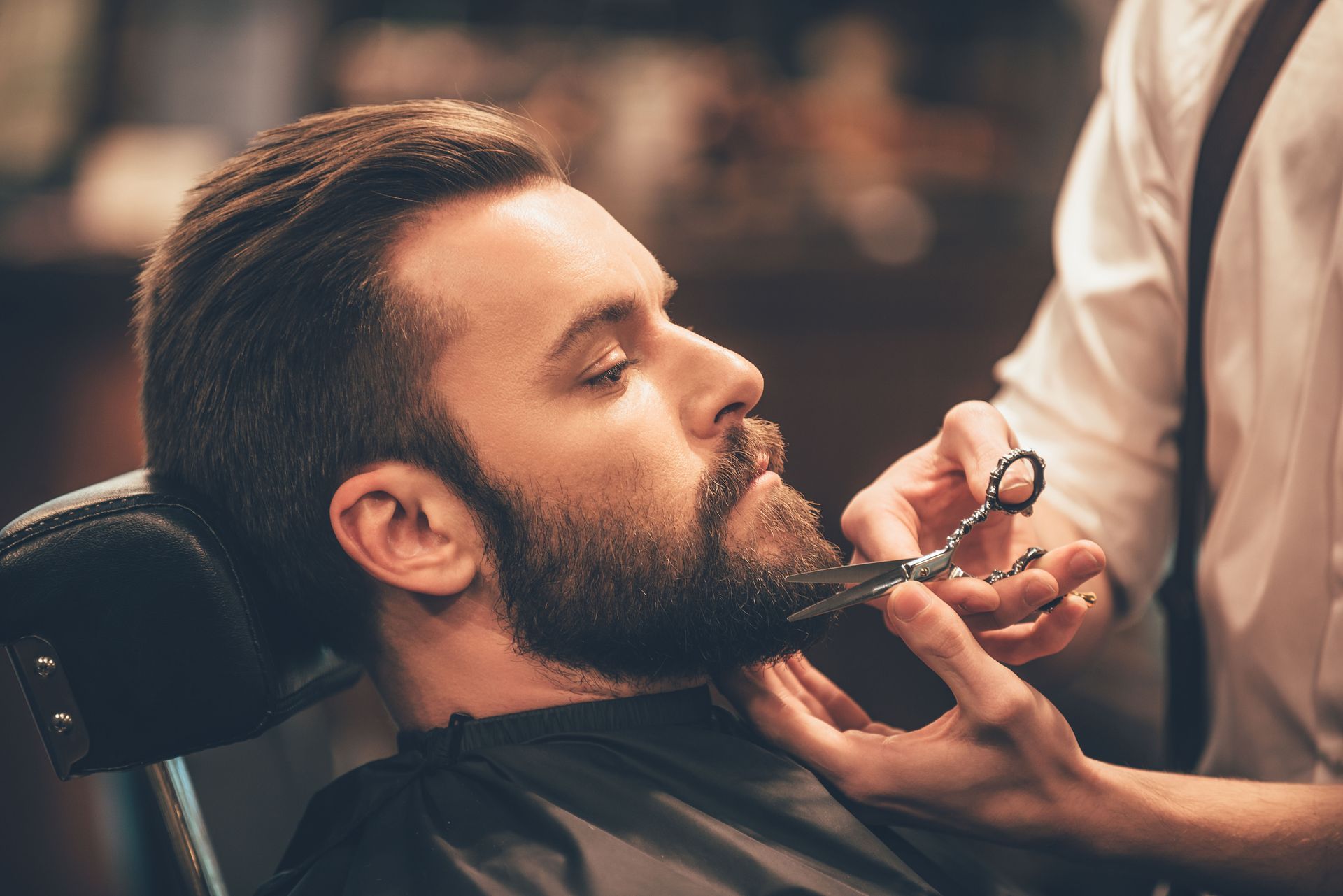
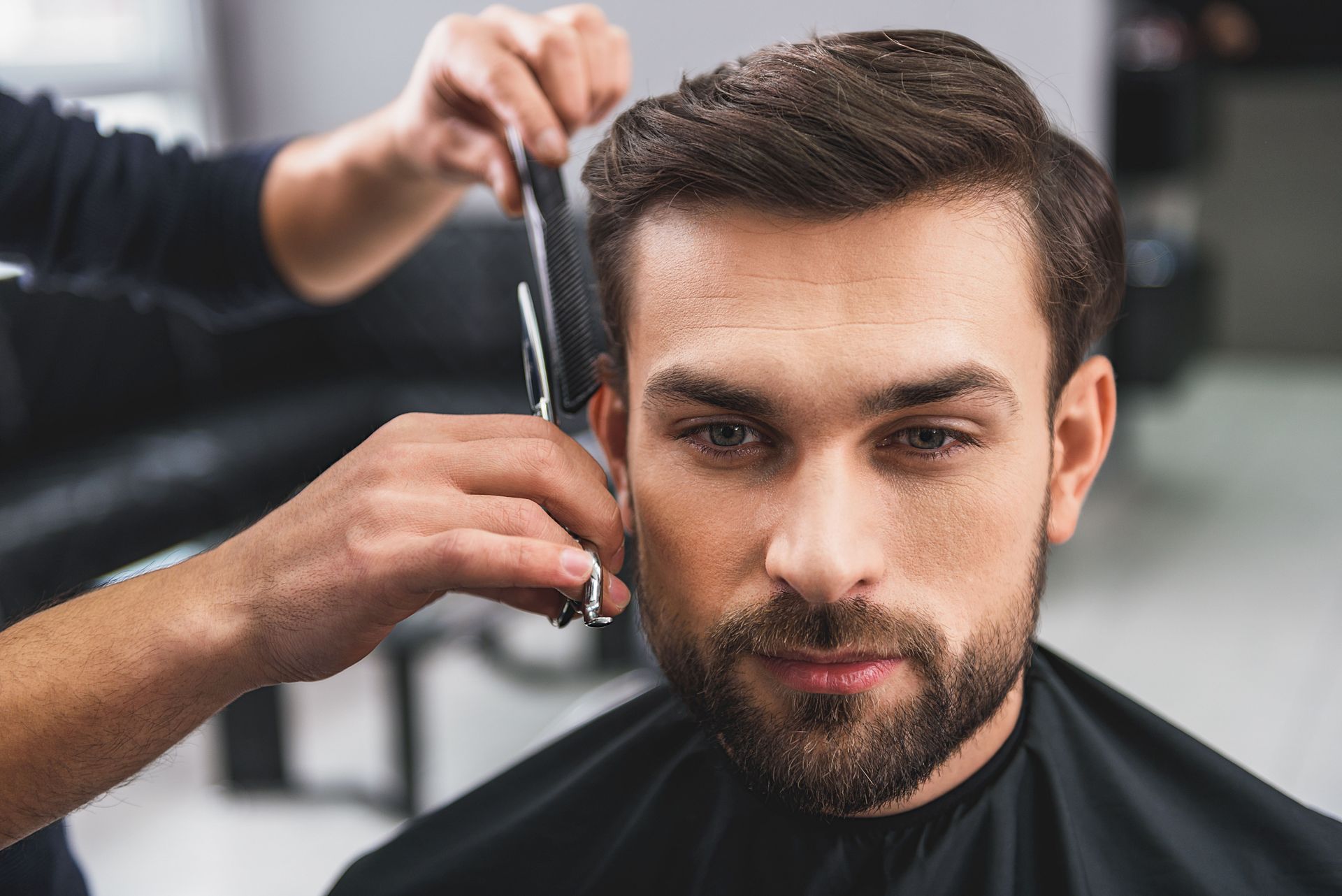
Building strong technical skills begins with mastering the fundamentals. Students are introduced to core techniques such as haircutting, styling, coloring, shaving, skincare treatments, and sanitation protocols through structured demonstrations and supervised practice. Instructors break down each process into manageable steps, allowing students to focus on precision, safety, and consistency before advancing to more complex services. This guided approach helps reduce mistakes and builds confidence early in the learning process.
Within beauty schools, repetition plays an essential role in skill development. Students practice techniques multiple times under instructor supervision, receiving immediate feedback that helps refine their approach. This ongoing correction ensures that habits formed during training align with industry standards rather than personal trial-and-error methods. Over time, students begin to internalize proper posture, tool handling, and timing, all of which are critical to delivering professional-quality services.
Hands-on learning also supports different learning styles. While lectures and textbooks provide the necessary theoretical context, many students learn best by doing. Practical sessions allow them to apply concepts such as hair structure, skin analysis, or product chemistry directly to real scenarios. This connection between theory and action strengthens retention and helps students understand not just how to perform a service, but why each step matters in achieving safe and effective results.
Practicing Real-World Client Interactions in a Controlled Environment
Technical ability alone is not enough to succeed in the beauty industry. Professionals must also know how to interact with clients, assess needs, manage expectations, and communicate clearly. One of the most valuable aspects of training is the opportunity to work with real clients in a supervised setting. This experience allows students to practice consultations, service delivery, and customer care while still having instructor support available.
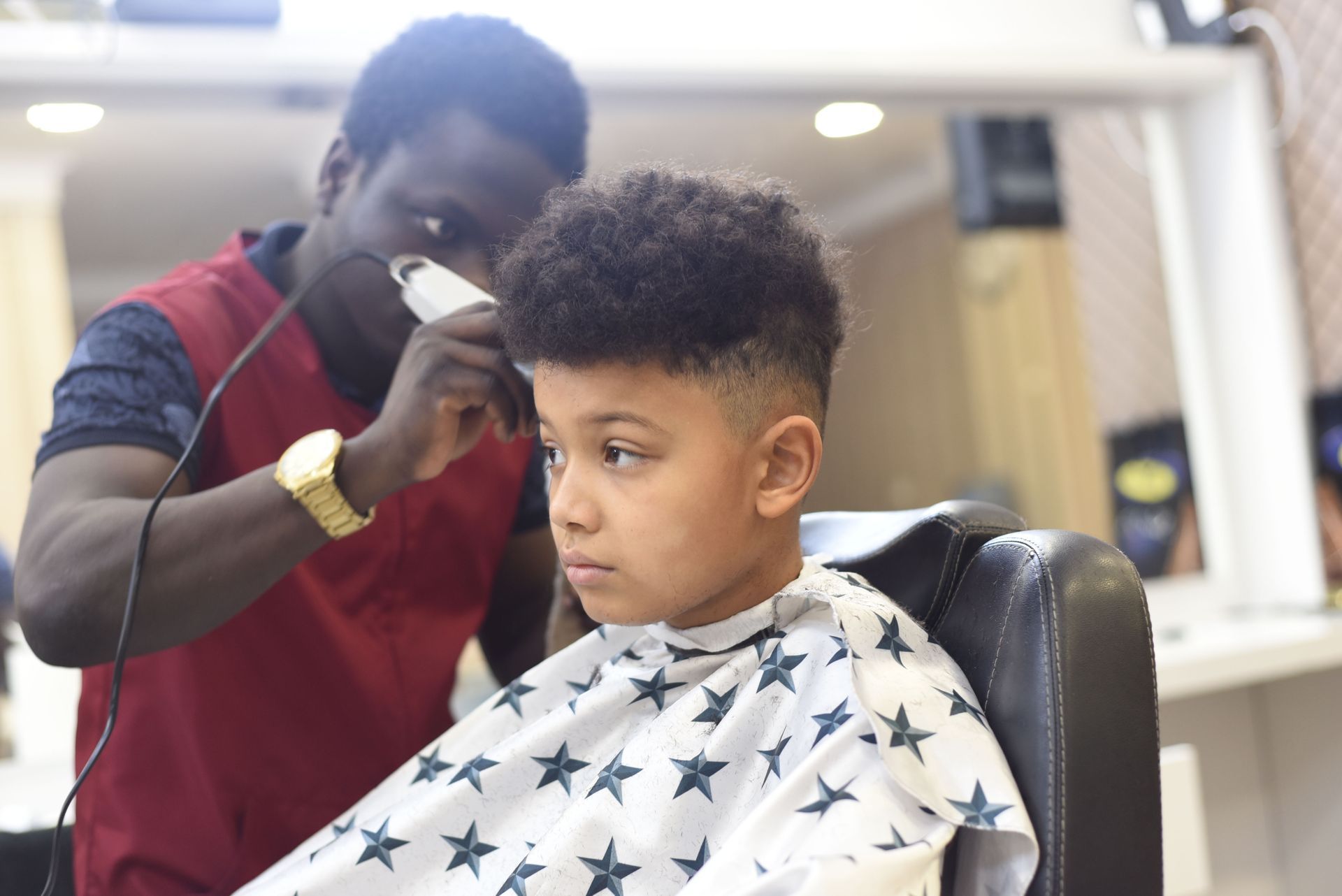
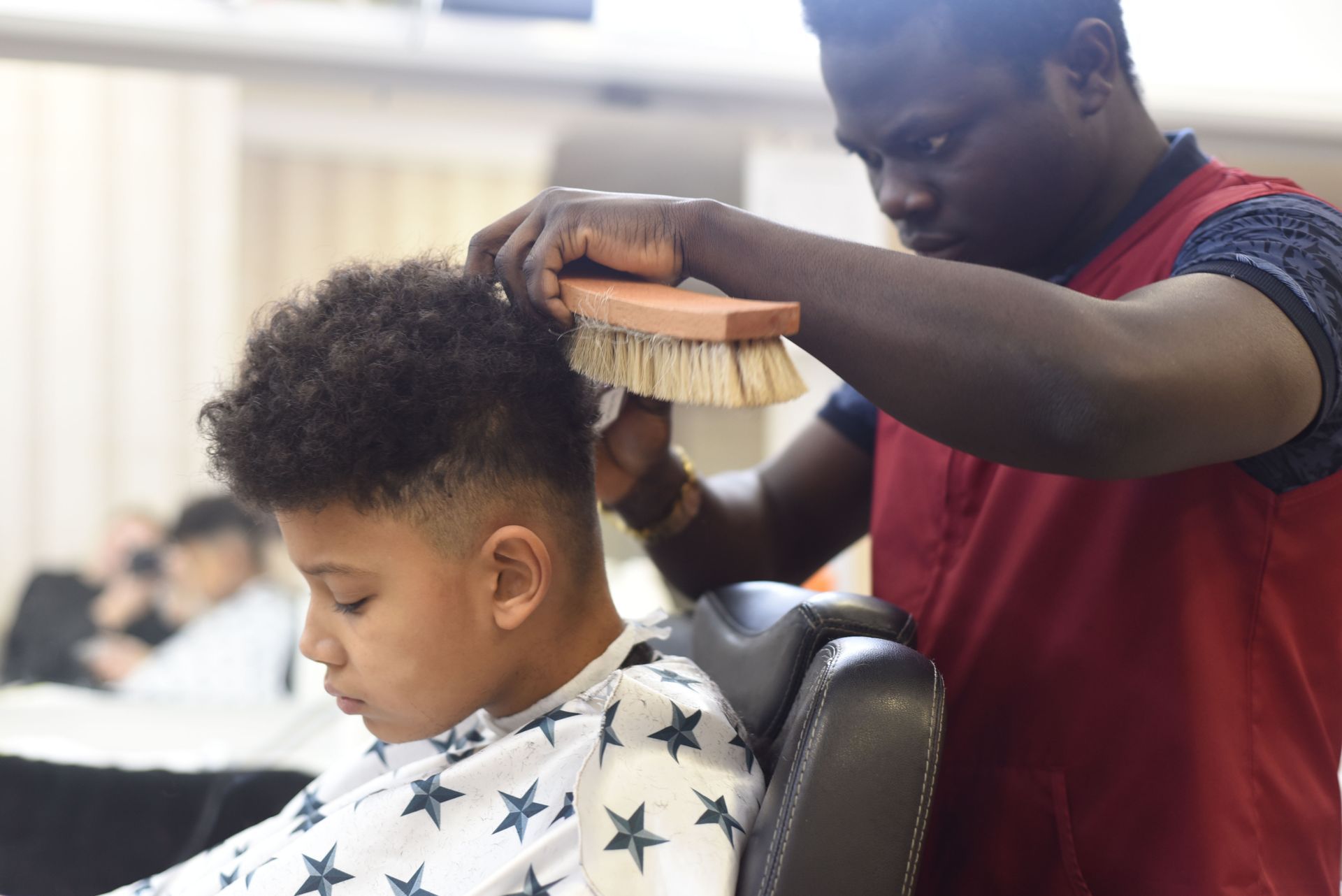
In beauty schools, student clinics simulate professional salon or barbershop environments. Clients book appointments, request services, and provide feedback, giving students exposure to authentic workplace dynamics. This setting helps learners develop time management skills, professionalism, and adaptability. They learn how to handle diverse hair types, skin concerns, and personal preferences, all of which are difficult to replicate through mannequins or classroom exercises alone.
Mistakes made during training become learning opportunities rather than career setbacks. Instructors can step in to correct techniques, explain alternative approaches, or guide students through problem-solving in real time. This safety net allows students to build confidence while gradually increasing independence. By the time they complete their program, many graduates feel more prepared to enter the workforce because they have already navigated client interactions and service challenges during their education.
Reinforcing Professional Standards, Safety, and Sanitation Skills
Maintaining safety and sanitation is a cornerstone of professional practice. Students must understand and consistently apply regulations related to hygiene, infection control, and client protection. Training programs emphasize these standards from the beginning, integrating them into every practical exercise. Rather than treating safety as a separate topic, it becomes a routine part of daily work.
Through structured instruction, students learn proper tool disinfection, workstation setup, and personal hygiene practices. They also study state regulations and licensing requirements, ensuring that their skills align with legal and ethical expectations. This foundation helps reduce the risk of injury, contamination, or professional misconduct once students begin working independently.
The importance of standardized training is reflected in the scale of the industry itself. According to IBISWorld, the cosmetology and beauty school industry had a value of $2.1 billion in 2023. This level of investment highlights the demand for well-trained professionals who can meet consistent standards across salons, barbershops, and spas. Beauty schools play a key role in maintaining these standards by preparing students to deliver services responsibly and professionally in a competitive market.
Building Confidence Through Progressive Skill Advancement
Confidence develops through achievement and experience. Training programs are structured to move students from basic techniques to more advanced services as their abilities improve. Early success with foundational skills encourages learners to take on greater challenges, such as complex color applications, advanced cutting techniques, or specialized treatments. This progression helps students recognize their growth and capabilities over time.
In beauty schools, assessments are often performance-based, requiring students to demonstrate competence rather than simply pass written exams. This approach reinforces accountability and helps students understand where they excel and where additional practice is needed. Constructive feedback from instructors supports continuous improvement and reduces anxiety around performance.
As students gain confidence, they also learn to trust their judgment. Making decisions about product selection, service customization, and time management becomes easier with experience. This self-assurance is critical in professional settings, where clients expect expertise and clear guidance. Graduates who have practiced decision-making during training are better equipped to handle the fast-paced demands of the beauty industry.
Encouraging Adaptability to Industry Trends and Techniques
The beauty industry evolves rapidly, with new products, tools, and techniques emerging regularly. Training programs emphasize adaptability by exposing students to a range of methods and encouraging ongoing learning. Rather than focusing on a single style or approach, students are taught principles that can be applied across trends and client needs.
Instructors often incorporate current industry practices into lessons, helping students stay aware of emerging services and technologies. This adaptability prepares graduates to continue learning after graduation, whether through advanced certifications, workshops, or on-the-job training. Beauty schools foster a mindset that values growth and responsiveness, which is essential for long-term career success.
Exposure to different specialties during training also helps students identify areas of interest. Some may gravitate toward barbering, others toward skincare or color services. By sampling multiple disciplines, students can make informed decisions about their career paths while building a versatile skill set. This flexibility increases employability and allows graduates to adapt as market demands change.
Supporting Career Readiness and Workplace Transition
Practical skill development extends beyond technical services to include workplace readiness. Students learn professional etiquette, teamwork, and time management as part of their daily routines. These soft skills are essential for success in salons and barbershops, where collaboration and client satisfaction are key.
Beauty schools often simulate real work schedules, requiring students to manage appointments, prepare workstations, and meet service timelines. This structure helps ease the transition from student to professional by setting realistic expectations. Graduates enter the workforce with a clearer understanding of daily responsibilities and performance standards.
Career preparation also includes exposure to business fundamentals, such as client retention, retail product knowledge, and basic operations. While technical skills remain central, understanding the broader professional environment helps students build sustainable careers. By combining hands-on training with professional development, beauty schools create well-rounded graduates who are prepared to contribute immediately in their chosen field. Call Klassic Transformation Barber Academy and Training Center today to learn more or schedule a tour.